Advancing the Science, Policy, and Practice of Peptide Therapeutics — where physicians, researchers, and legislators converge.
GET TICKETSOn July 23–24, the FDA’s Pharmacy Compounding Advisory Committee voted to recommend six of seven nominated peptides for the 503A Bulks List: BPC-157, KPV, TB-500, MOTS-c, Semax, and Epitalon. Five additional peptides go before the committee by February 2027, and FDA rulemaking remains the deciding step. This congress meets in that window, while the record is still being built.
20+ sessions bridging bench research to bedside practice from leading peptide clinicians and researchers.
Congress is in session. FDA, NIH, and HHS are next door. Shape the future of peptide regulation where decisions are made.
Clinical sessions for physicians and pharmacists. Real protocols, real cases, real clinical outcomes.
300 physicians, pharmacists, manufacturers, researchers, and legislators — the entire peptide ecosystem, one roof.

Leading voices across peptide science, regulatory policy, regenerative medicine, and clinical practice — curated for impact.

U.S. Representative, Tennessee's 1st District · Pharmacist
U.S. House of Representatives
Read Bio +
Author · Biohacker · Podcaster · Athlete
Ben Greenfield Life
Read Bio +
Human Biologist · Host, The Ultimate Human Podcast
Read Bio +
Founder & CEO
Ways2Well / ReviveRx
Read Bio +
Corporate Director of Men's Health · Fellowship-Trained Men's Health Specialist
U.S. Urology Partners
Read Bio +
Senior Advisor, U.S. Dept. of Health & Human Services · Co-Founder
TrueMed
Read Bio +
Assistant Secretary for Health
U.S. Department of Health and Human Services (HHS)
Read Bio +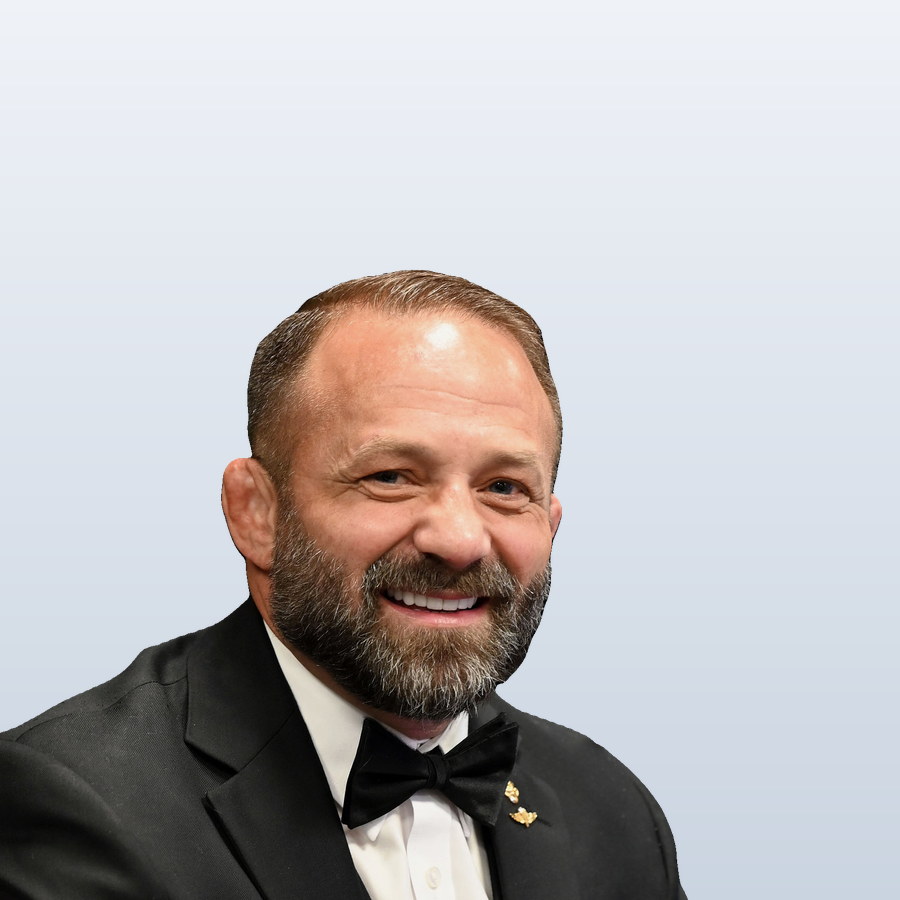
Founder & President · Fmr. Force Recon Marine
Mighty Oaks Foundation
Read Bio +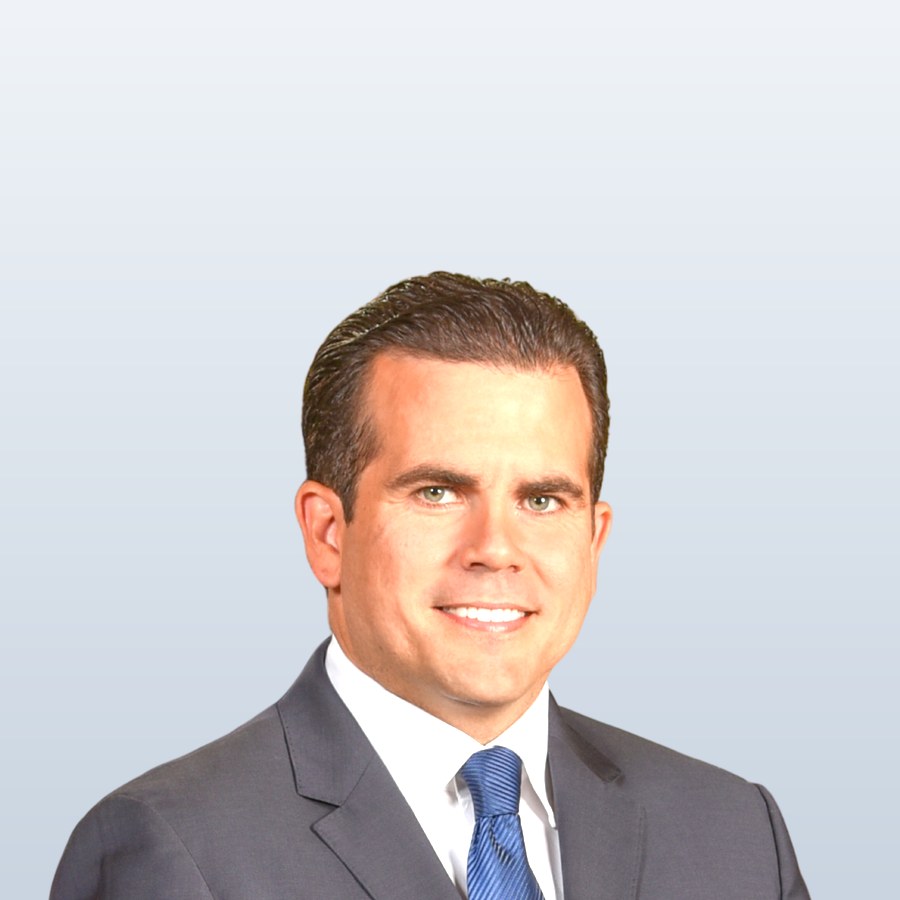
Fmr. Governor of PR · U.S. Congressional Delegate · CVO
RMI Health
Read Bio +
President & Publisher, Skyhorse Publishing · President, MAHA Action
MAHA Action
Read Bio +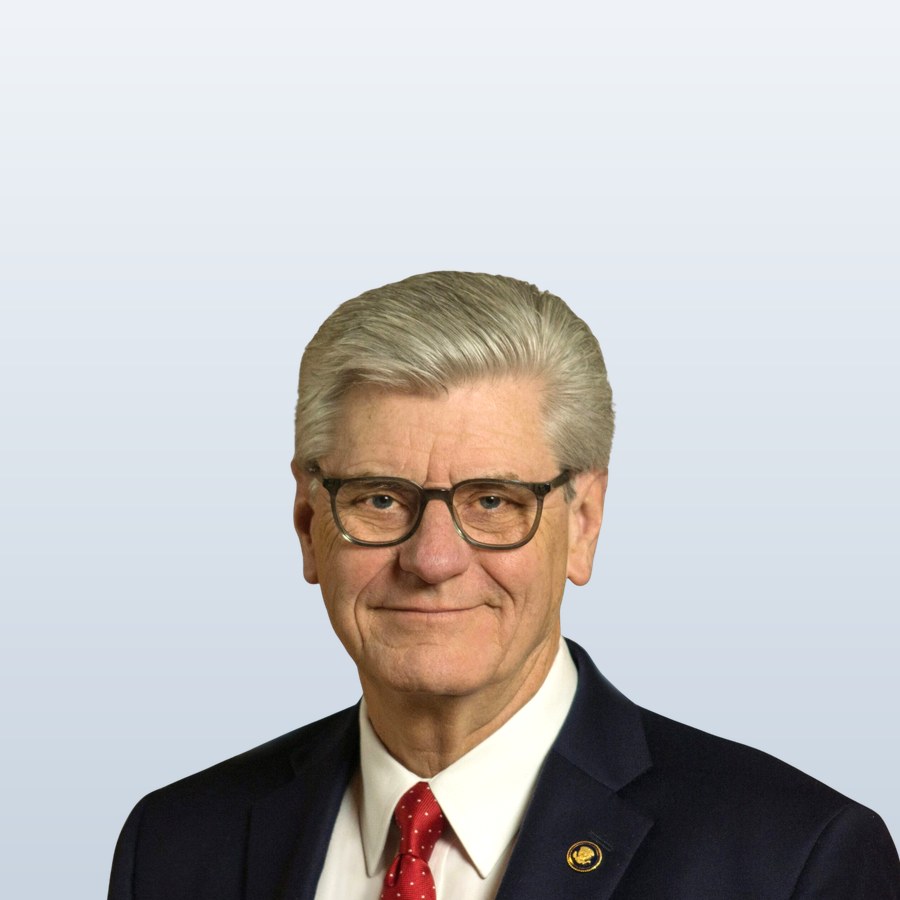
Fmr. Governor of MS · Senior Advisor
America First Policy Institute
Read Bio +
Former Senior Counselor to the President
KAConsulting LLC
Read Bio +
Government Advisory Board
AAPM
Read Bio +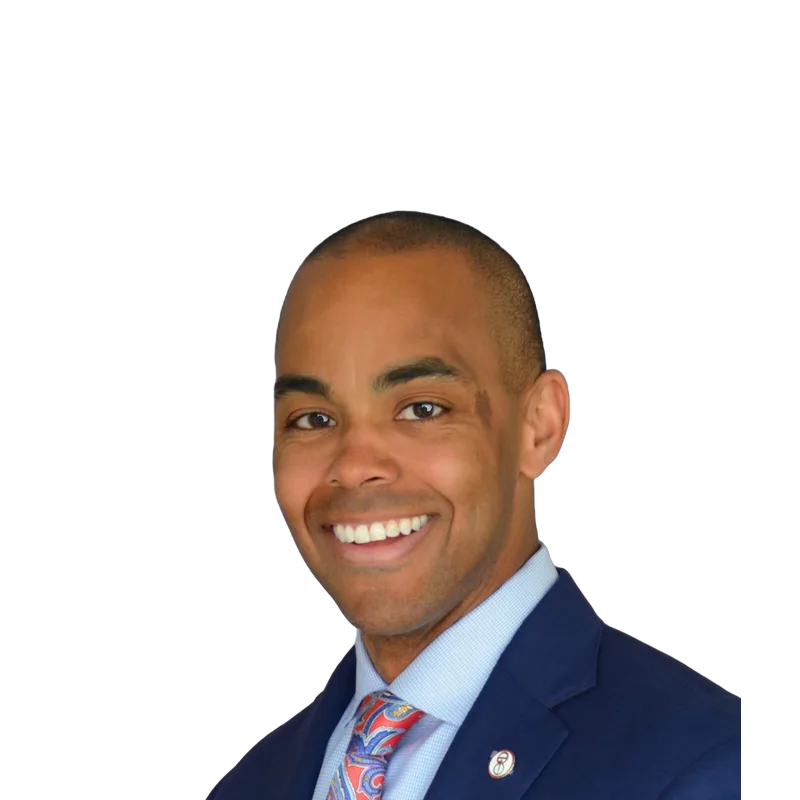
Executive Director/Secretary
National Association of Boards of Pharmacy (NABP)
Read Bio +
Medical Advisory Board
AAPM
Read Bio +
President & Founder · Regenerative Medicine & Regulatory Compliance Expert
Hyagen Medical
Read Bio +
CEO · President, Personalized Health Association
Agentis Longevity
Read Bio +
Co-Founder & Chief Medical Officer
Boulder Longevity Institute
Read Bio +
Chair, Peptide Certification Program · Chair, International Peptide Society
A4M / IPS
Read Bio +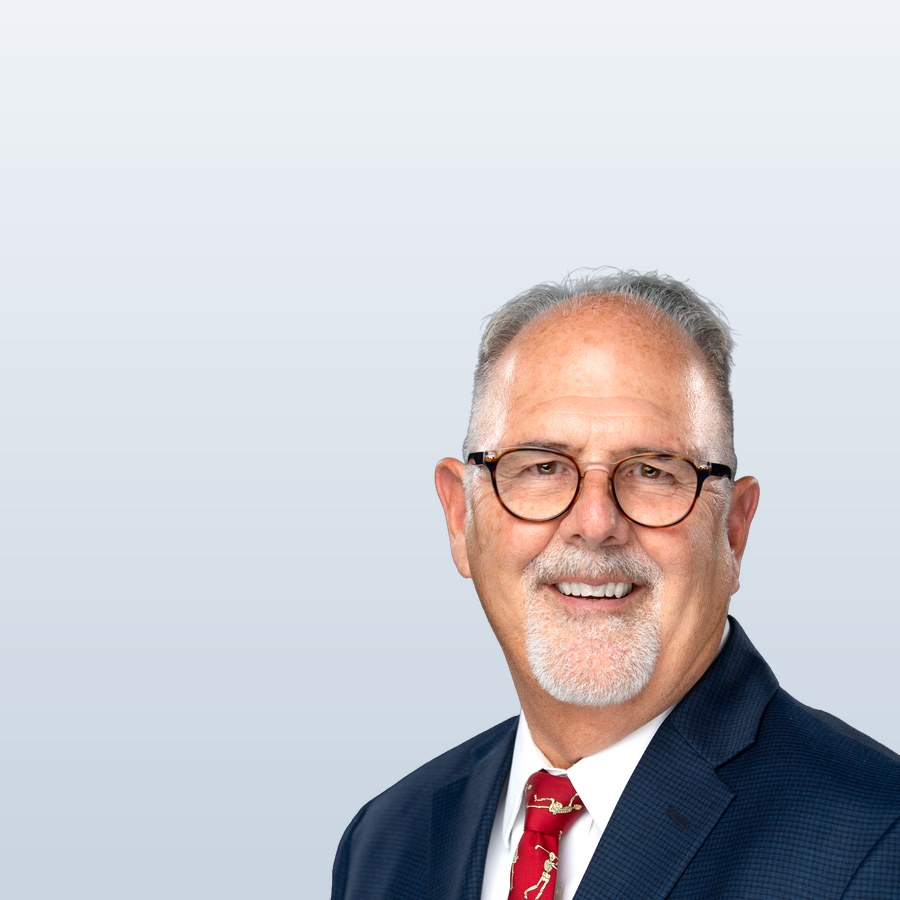
Founder & CEO
ARL Bio Pharma
Read Bio +
Chief MAHA Officer · Fmr. Senior Advisor, U.S. Dept. of Health & Human Services
Steak 'n Shake
Read Bio +
Chief Executive Officer
American Sciences
Read Bio +
Sports Medicine & Regenerative Medicine Physician
The Osteopathic Center
Read Bio +
Three-Time Olympian · Liberian 100m National Record Holder
Enhanced Games
Read Bio +
Head Swimming Coach · Two-Time Olympian · Founder, Sprint Revolution
Enhanced Games
Read Bio +
Chief Medical Officer
IVIM Health
Read Bio +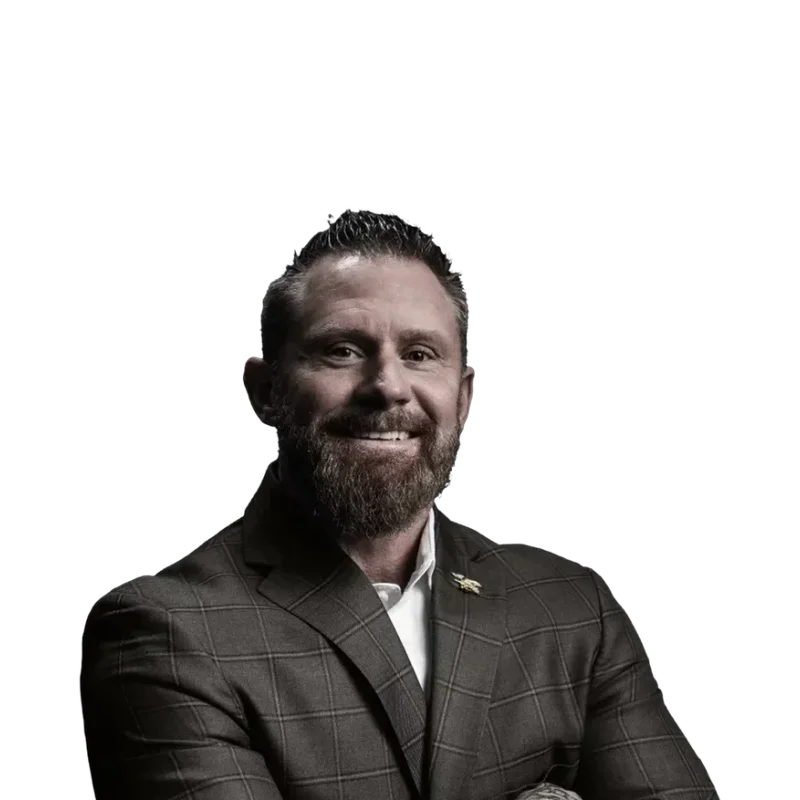
Fmr. U.S. Navy SEAL · CIA Contractor
Leadership & Mindset Coach · Speaker
Read Bio +
Founder & Chief Science Officer · Creator, EvexiPEL Method
EVEXIAS Health Solutions
Read Bio +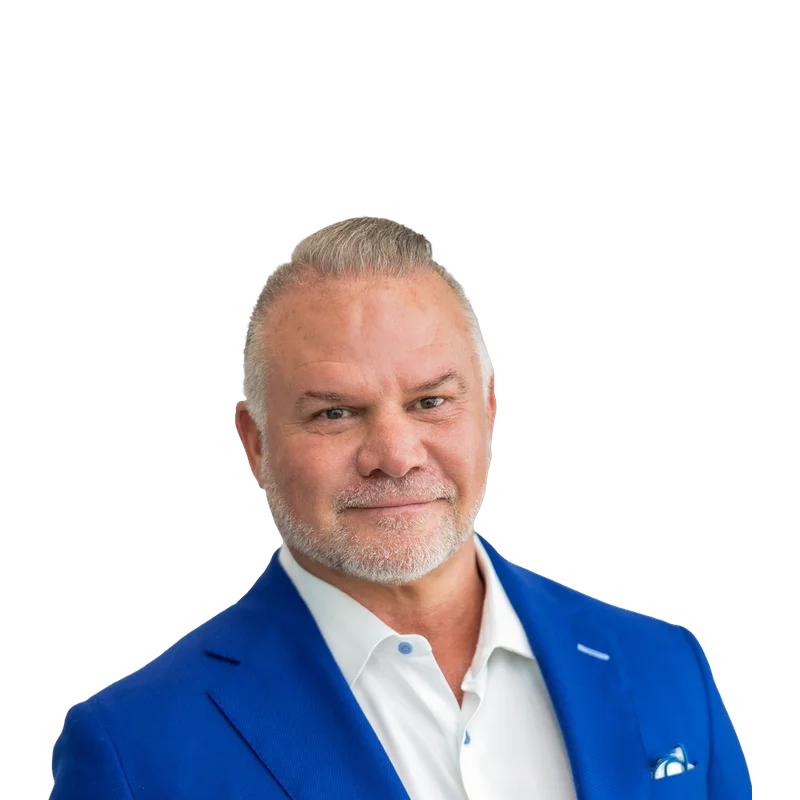
Chief Executive Officer
EVEXIAS Life Sciences
Read Bio +
Fmr. U.S. Marine Special Operations · Entrepreneur & Business Coach
Core Medical Group
Read Bio +
Outreach Department Director · Fmr. Green Beret & Marine Scout Sniper
Core Medical Group
Read Bio +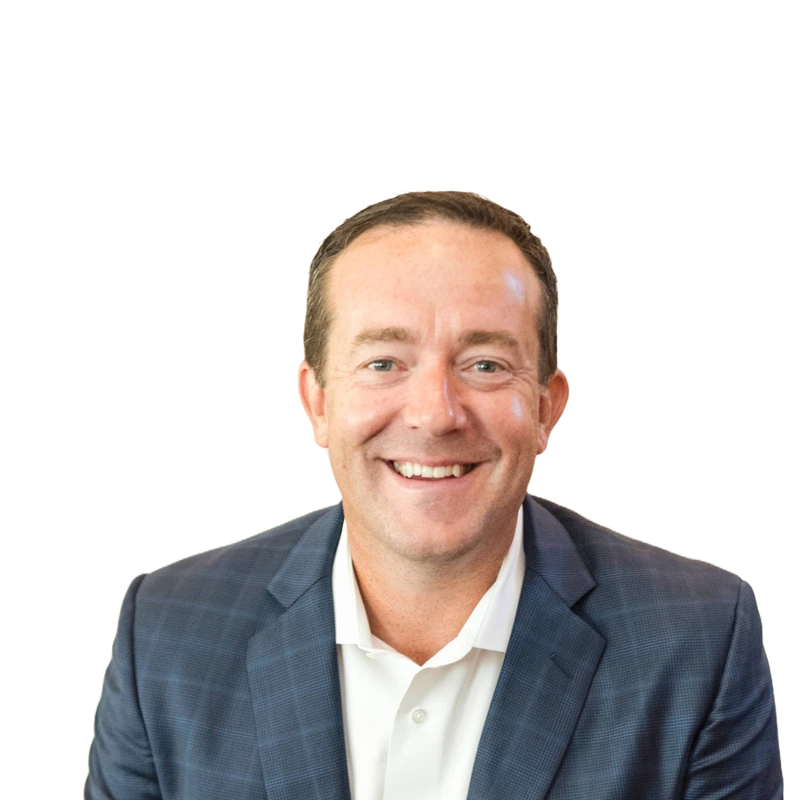
Chief Executive Officer
Revelation Pharma
Read Bio +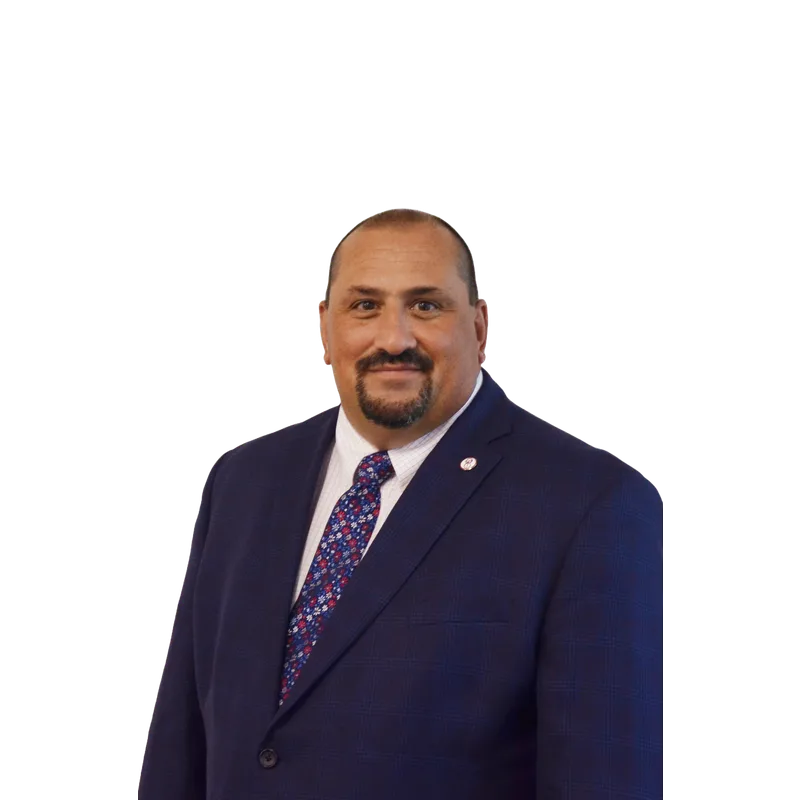
Founder & Principal Consultant, Pharmacy Insights
The Peptide Council
Read Bio +
Chairman
Thesis Pharmacy & BMK Pharma
Read Bio +
Founder
BioReset Medical
Read Bio +
Chief Executive Officer · AAPM Advisory Board
Strive Pharmacy
Read Bio +
Chief Compliance and Clinical Officer
Strive Pharmacy
Read Bio +
Chief Executive Officer · Chair, Florida Board of Pharmacy
Olympia Pharmaceuticals & Wesley Pharmaceuticals
Read Bio +
Founding Partner & Managing Partner
BSS Global
Read Bio +
Chief Executive Officer
Noom
Read Bio +
Co-Founder
Ivím Health
Read Bio +
Founder & Managing Partner
Concierge Medical Associates
Read Bio +
Medical Director · Enhanced Games Independent Medical Commission
The Systems
Read Bio +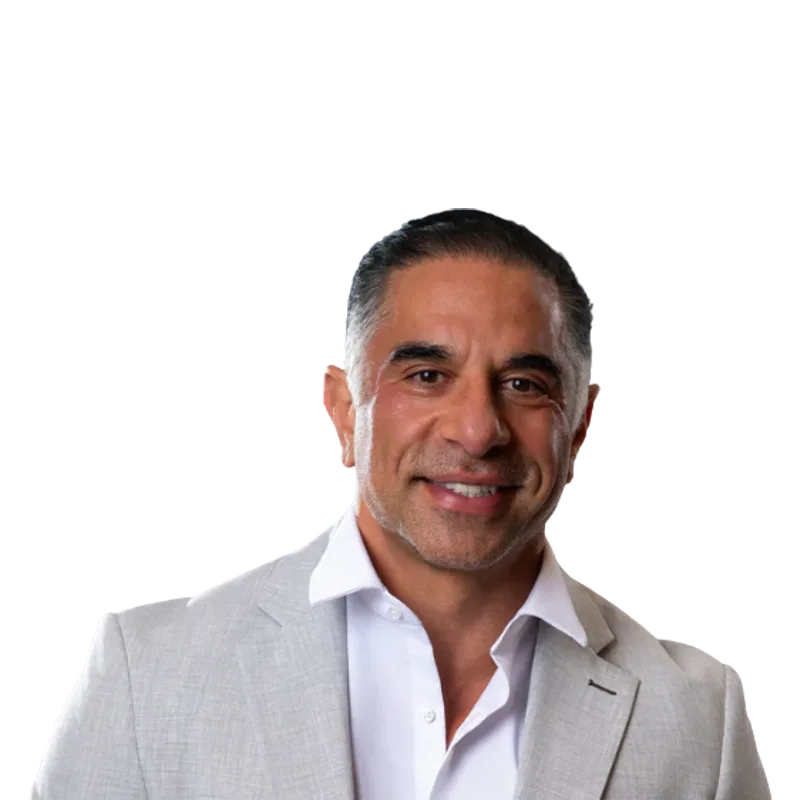
Director of Longevity
DOCS Health
Read Bio +
Family Nurse Practitioner
Ways2Well
Read Bio +
Cardiologist
Boulder Longevity Institute
Read Bio +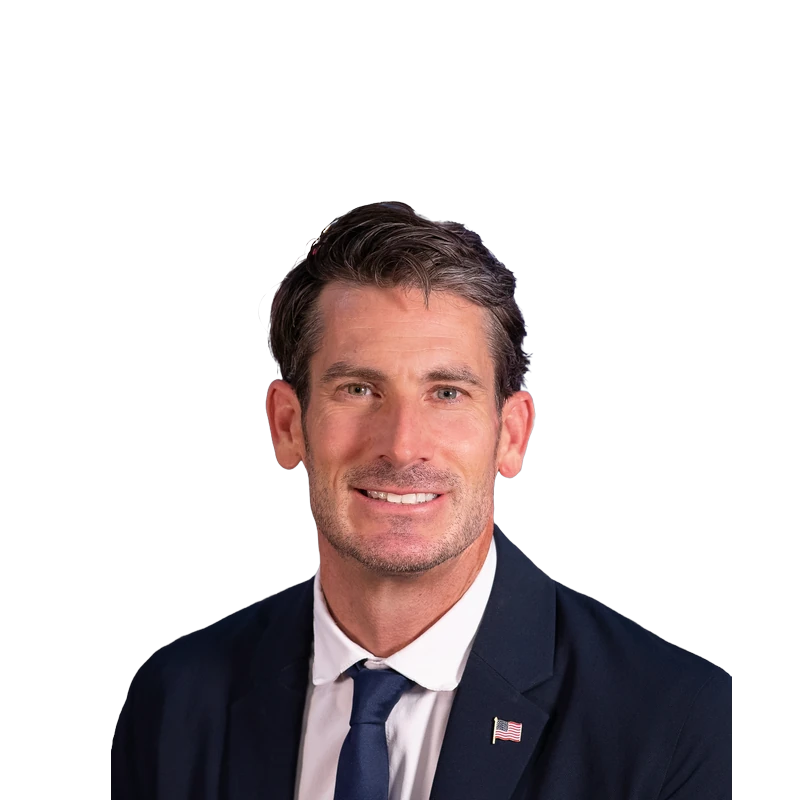
Special Government Employee
U.S. Department of Health & Human Services (OASH)
Read Bio +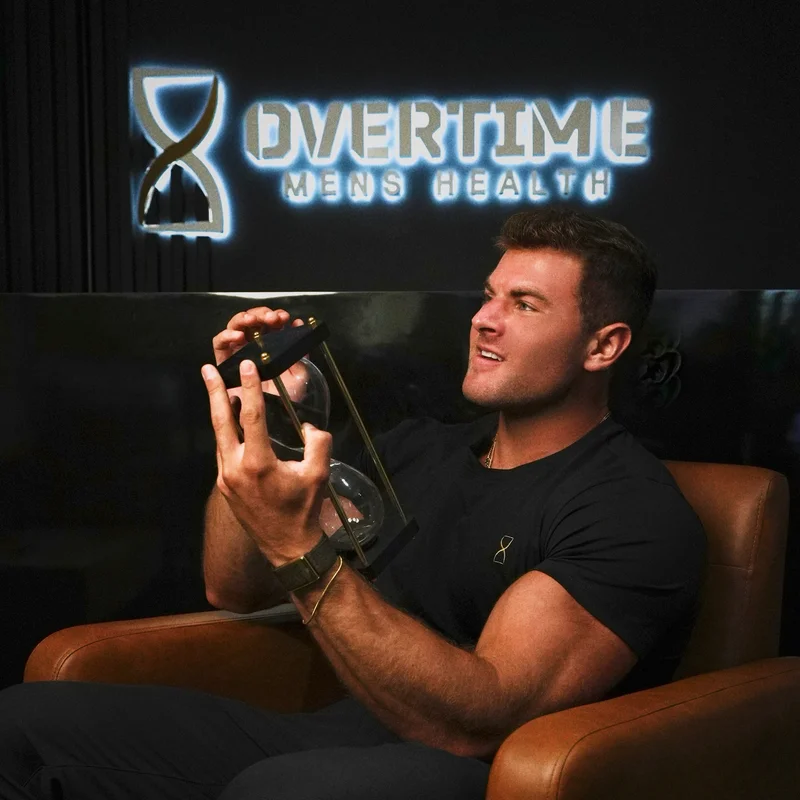
Co-Founder
Overtime Men's Health
Read Bio +
President & Chief Executive Officer
MuseCell Innovations
Read Bio +
Medical Surgeon · Anti-Aging, Integrative & Bio-regenerative Medicine
Read Bio +
CEO & Co-Founder
MetFix · The Broken Science Initiative
Read Bio +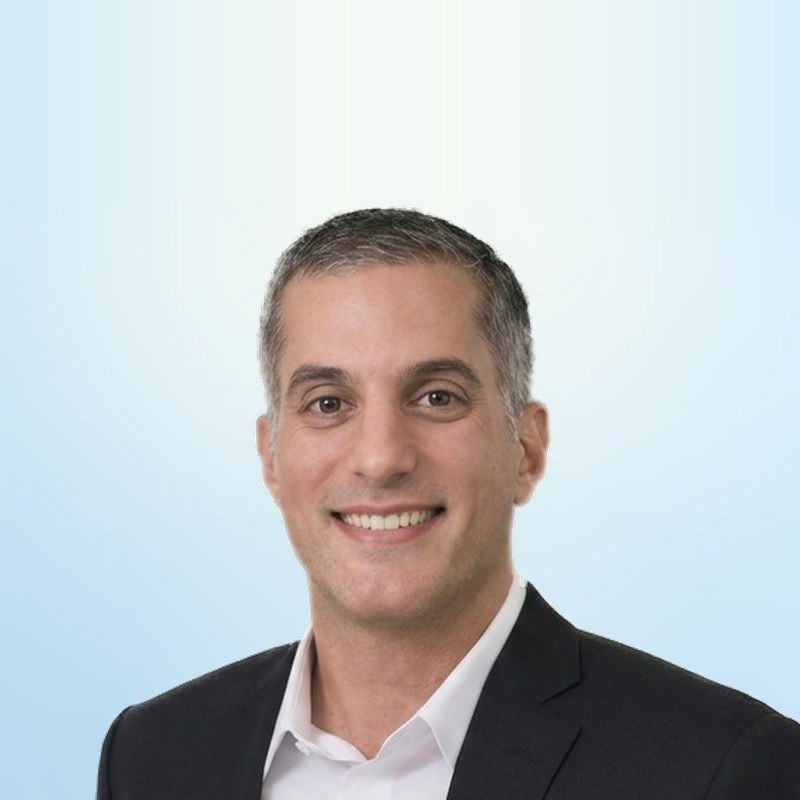
Founder & Chief Executive Officer
Empower Pharmacy
Read Bio +
President
LECOM Institute for Successful Living
Read Bio +
Chief Operating Officer
AAPM
Read Bio +Women make up half the patient population and a fraction of the research. The studies that exist skew postmenopausal, androgen therapy in women is largely unexamined, and patients do not wait for trials. Three clinicians who treat these women every day discuss what the exam room has taught them: that care has to be sequenced. Hormones as the foundation, metabolic health alongside, and peptide therapy layered onto a foundation that is already sound, an adjunct with real promise that the research has yet to catch up to. A conversation about women's health across a lifespan, and what closing that gap would take.
Most Americans know the system is broken. The current model patents drugs, keeps people on them for life, and gives them short appointments. The model people want is preventive and personal: real food, movement, and therapies like peptides, chosen with a doctor who has time for them. That argument has been won. This panel is about the agenda: what has to change in government, industry and the supply chain to get that care to everyone, and who has to act.
A market works when the person receiving the product is the person choosing and paying for it. American healthcare is not built that way, and most of its familiar frustrations follow from that single structural fact. This session traces the consequences: pricing no one can see in advance, care decided by coverage rather than by indication, and an evidence apparatus whose incentives point away from the questions patients most want answered. A case for why access, transparency, and the right to choose a therapy belong in the same conversation as clinical evidence.
Veterans carry a burden of traumatic brain injury, chronic pain, and treatment-resistant symptoms that conventional pathways have not resolved, and many pursue options outside the VA at their own expense. Two federal developments this year moved that conversation out of the margins. In July, Secretary Hegseth announced annual testosterone screening for service members 30 and older, with replacement therapy left to the individual's choice, a policy that raises an unanswered question about who carries that care once a service member separates and becomes a VA patient. On September 1, Rep. Nancy Mace introduced the PEPTIDES for Veterans Act, directing the VA to modernize its definitions, review the research, report to Congress within 180 days, and stand up a pilot program in VA facilities if the evidence supports one. The veterans on this stage have lived that gap. They take up what both moves imply from the receiving end: what veterans are actually using today and how they came to it, where the promise outruns the evidence, what the VA's own record on hormone therapy should teach the agency about doing this well, and what it would take to deliver these options inside federal care rather than around it.

Elite sport has always adopted recovery interventions ahead of the evidence, and what athletes and their physicians learn under real conditions tends to reach general practice years later. This panel puts competitors alongside the clinicians who treat them to examine what is actually being used for injury recovery, sleep, tissue repair, and return to training, what the published record supports, and where practice has run ahead of it. A frank conversation about performance at the limit, and about what responsible translation to ordinary patients would require.
Very few members of Congress have filled a prescription. Our keynote brings a licensed pharmacist's understanding of compounding to a legislative body that mostly lacks one. The address covers how peptide medicine reads from the Hill, what moves an agency and what does not, where the field's arguments land with members and where they fall flat, and what an organized profession can realistically ask of Congress in the coming session. Practical guidance on the mechanics of influence for a field new to using them.
The man in the exam room has changed. He arrives asking for a peptide by name, sometimes with a vial in his bag that he bought online. He needs that peptide to come from a pharmacist instead of a website. He needs testosterone for a deficiency his doctor can measure, and he needs to stay fertile while he takes it. He needs regenerative care from a physician he can drive to instead of a clinic he has to fly to. Wanting the latest thing is demand. A man who cannot stay fertile on his own essential therapy has a need, and need is the standard the law itself sets.
The rules governing what men can receive as treatment were written in 1990, 2009 and 2013. Six peptides won a federal advisory vote in July and still cannot be legally compounded. Testosterone is vital medicine, yet men who need it are often treated like drug seekers because a statute written in response to doping scandals put it in Schedule III. Compounded hCG and FSH vanished in 2020 because of a reclassification, not a safety problem. Three federal appeals courts have said a clinic-made stem cell product is a drug, and no practical pathway exists for a physician who wants to offer one and collect the data.
A practicing urologist, the Assistant Secretary for Health, a clinical platform CEO, and a compounding pharmacy leader take on these problems one at a time: the specific fix, who has the authority to sign it, and who moves first. The goal is to craft a framework that makes the United States the place the world comes to for men's health, not the place its patients leave.
The people on this stage reach audiences larger than most medical journals will ever have. That reach has brought patients to legitimate care and, at the edges, carried claims further than the evidence supports. This is a working conversation about the obligation that comes with the microphone: how to convey a promising therapy without overselling it, how to qualify a mechanism honestly for a lay audience, what to do when a product relationship sits behind a recommendation, and how the field protects its credibility while it is still being formed.
The overwhelming majority of peptide active pharmaceutical ingredient reaching American patients is synthesized overseas, and the largest share of it comes from China. That is a quality problem, because a purchaser cannot inspect the facility or verify the paperwork. It is also a strategic one, because a supply that concentrated is a supply that can be restricted. Every company on this stage has chosen to build the alternative here. American synthesis, American testing, and documentation a buyer can actually stand behind. Manufacturers, analytical laboratories, and policymakers on what domestic production costs today, what capacity already exists, what still has to be imported, and what would have to change for the United States to become a producer of these medicines rather than a customer for them.
If the recommended peptides reach the 503A list, the work of actually making them falls to compounding pharmacies operating under standards written for a different set of molecules. Pharmacy owners and industry leaders discuss what changes in practice: sourcing and qualifying active ingredients, beyond-use dating without a monograph, sterility and potency testing, the 503A and 503B divide and what each pathway permits, and how buyers should evaluate a compounder. A concrete look at how a favorable vote becomes a defensible product.

The future of stem cells and regenerative medicine in the United States is no longer only a scientific conversation. It is a conversation about regulation, patient access, clinical responsibility, domestic innovation, and how emerging medicine is communicated to the American public. As interest grows, policymakers, clinicians, industry leaders, and the press are being asked to navigate a scientific and regulatory landscape that has become genuinely complex. This panel starts with the ground floor. What is a human stem cell, how are these therapies administered and applied, and how do clinicians incorporate them into practice, including a fact and fiction segment on the claims that follow this field around. It then turns to the central question: how can the United States ensure responsible domestic manufacturing for regenerative medicine within existing regulatory pathways, while empowering clinicians and patients with greater clarity. The ask is clarity itself, what is and is not permitted and what should and should not be. Rather than positioning regulation and access as opposing forces, the panel examines what a thriving domestic regenerative medicine ecosystem would take, and what is already at risk. Without clarity, responsible innovation, investment, and patient demand keep moving outside the domestic market, a gray market fills the space they leave, and the United States loses an international race it is still in a position to win.

When these peptides become widely accessible, the first and loudest explanation most patients receive will not come from a medical society, a journal, or their own physician. It will come from a telehealth platform. Digital health companies are positioned to be the largest single voice in this field, and the practices behind that reach currently range from careful to indefensible. This panel sets out what responsible looks like when the prescriber is remote and the volume is national: the intake and labs that should precede a prescription, what genuine physician oversight requires, how a platform should evaluate the pharmacy filling its scripts, what marketing claims the evidence will support, and what the state medical boards are watching. A working standard for the operators who will be judged as a category.
Federal action sets the outer boundary. What a clinician may actually do is decided by a state medical board, a state pharmacy board, and a telehealth statute that stops at the state line, which leaves a national therapeutic field governed by fifty rulebooks, several of them in conflict. Former governors and state regulatory voices walk through how these rules actually get written, where the states are diverging fastest, what a multi-state practice has to track, and whether any workable convergence is possible. The panel then turns to the politics. National polling this summer found almost no organized opposition to prescription peptide access, alongside a very large share of the public with no opinion at all, the profile of an issue that is not yet polarized and is still available to be defined. A veteran pollster joins the panel to read those numbers: what an unformed electorate means for state legislators, for the coming cycle, and for how this field makes its case before someone else makes it for them.
The congress closes where it opened, with a recommendation that still has to become a rule. This session converts the day into a working agenda: what the agency is likely to do and on what timeline, what the states will do in the meantime, and which standards the field should set for itself before someone else sets them. A representative of the National Association of Boards of Pharmacy joins to describe the machinery that will actually carry this, because a federal listing decision reaches patients through fifty state boards. What reporting will pharmacies dispensing peptides be expected to produce, what guardrails are the boards likely to put in place, how fast does state adoption follow a federal change, and what draws a board's attention to a compounder in the first place. Specific, forward-looking, and intended to send the room home with assignments rather than impressions.
Tentative program. Sessions and times are subject to change, and additional speakers will be announced as they are confirmed.
2800 Pennsylvania Ave NW, Washington, DC 20007
Five-star hotel in Georgetown, at the edge of Rock Creek Park and steps from the Georgetown waterfront — a short distance from the Kennedy Center and the National Mall.

Full 2-day access, all sessions, meals included. Day 2 Only pass available.
Register NowRegistration is open